
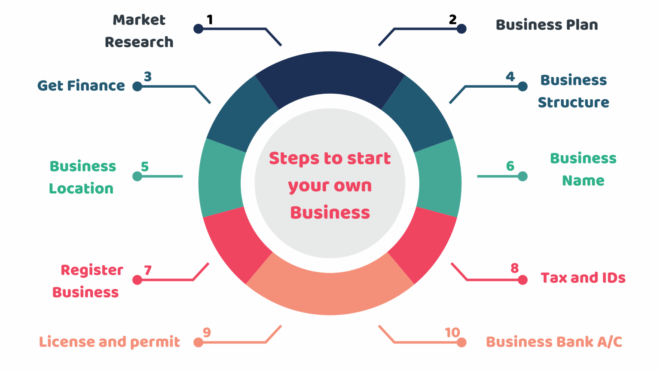
If you are entering the Serbian market as an independent consultant, freelancer, trader, or small service provider, one of the first questions is how to setup sole proprietorship in a way that is fast, compliant, and workable for a foreign national. In Serbia, this business form is commonly used for smaller operations because it is simpler than a company structure, but simpler does not mean risk-free. The right setup depends on your activity, tax position, residency status, and whether you also need banking and immigration support.
How to setup sole proprietorship in Serbia
In Serbia, a sole proprietorship is usually registered as an entrepreneur business. It is a common option for individuals who want to perform business activities under their own name or a registered business name without creating a separate limited liability company. For many foreigners, it is attractive because the registration process is generally straightforward and the administrative burden can be lighter than with a company.
That said, the key trade-off is liability. A sole proprietor does not have the same legal separation from the business as a limited liability company. In practical terms, this means the owner can be personally responsible for business obligations. If your activity involves larger contracts, debt exposure, higher operational risk, or multiple partners, a company may be a better fit. If you are starting lean, testing the market, or operating as a solo professional, the entrepreneur model may be the more efficient route.
Step 1: Confirm whether this structure fits your goals
Before filing anything, it is worth checking whether a sole proprietorship actually matches the way you plan to operate in Serbia. Some clients assume the fastest option is automatically the best option. Often it is, but not always.
A sole proprietorship can work well for IT services, consulting, design, marketing, education, small retail, and many independent professional activities. It may be less suitable if you expect outside investment, want a more formal corporate image for larger international contracts, or need clearer separation between personal and business assets. This is also where tax treatment matters. Certain activities and revenue levels can affect whether the model remains efficient over time.
Step 2: Define the business activity correctly
Serbian registration requires you to identify the main business activity. This sounds simple, but it matters more than many foreign founders expect. Your activity code can affect tax treatment, licensing obligations, and how banks or authorities view your business.
If your work spans several services, the main registered activity should reflect the core source of revenue. Choosing a broad category without checking its practical consequences can create problems later, especially if you are applying for residence or work-related status based on the business. Accuracy at this stage saves time during registration and avoids corrective filings later.
Step 3: Prepare personal and registration documents
The exact document set depends on your nationality, status in Serbia, and whether the registration is being handled in person or through an authorized representative. In general, foreign applicants should expect to provide identity documents and registration-related information, and in some cases certified translations or additional formalities may be required.
This is one of the points where local procedure can slow down foreign applicants. A document that seems valid in one country may need a different form, translation standard, or supporting paperwork in Serbia. If you are also arranging legal stay, your business setup should be aligned with your immigration file rather than handled as a separate issue.
Step 4: Register with the competent authority
The entrepreneur business is registered through the Serbian business registration system. Once the application is accepted, the business receives its official registration data, including the tax identification elements needed to begin operating.
Timing is usually reasonable, but practical delays can happen if the application is incomplete, the activity is described incorrectly, or supporting documents do not match local formal requirements. Foreign founders often lose time not because the system is unusually slow, but because minor filing errors trigger avoidable back-and-forth.
What happens after you setup sole proprietorship
Registration is only the first milestone. To operate properly, you also need to address tax, bookkeeping, banking, and in many cases immigration-related compliance. This is where many first-time entrants underestimate the process.
Tax registration and tax model selection
After registration, the next issue is taxation. Depending on the nature of the activity and your profile, a sole proprietor in Serbia may be taxed under different models. This is not a purely administrative choice. It affects monthly obligations, recordkeeping, profitability, and how easy it is to scale.
For some small businesses, a lump-sum taxation model may be available and beneficial. For others, especially those with certain revenue levels or business types, standard accounting-based taxation may apply. The difference is significant. One model may be simpler and more predictable, while another may offer better flexibility if your costs are high or your income fluctuates.
This is why the question is not only how to setup sole proprietorship, but how to set it up correctly from a tax perspective. A fast registration with the wrong tax treatment can become expensive very quickly.
Open a business bank account
A registered business will typically need a local bank account for operations. For foreigners, bank onboarding can be one of the more sensitive steps because banks apply their own compliance procedures in addition to formal registration requirements.
The documents a bank accepts, the level of due diligence it performs, and whether it wants proof of address, residence status, or explanation of business activity can vary from bank to bank. If you are not physically in Serbia full-time or you are opening the business while also arranging residence, coordination matters. Banking should be planned alongside the business setup, not treated as an afterthought.
Arrange bookkeeping from day one
Even when the sole proprietorship model is relatively simple, bookkeeping should not be left until the first tax deadline. Serbian compliance requires proper handling of invoices, tax records, payment flows, and reporting obligations. The exact scope depends on your tax regime, but every registered business should know what records must be maintained and when filings are due.
This is especially important for foreigners who invoice internationally, receive payments from multiple jurisdictions, or work with online platforms. Cross-border income can raise practical questions around documentation, tax treatment, and bank explanations. Good bookkeeping is not just about reporting. It helps keep the business usable in real life.
Check residence and work implications
For foreign nationals, business registration and immigration status are often connected. Setting up a sole proprietorship does not automatically resolve your right to stay or work in Serbia. Depending on your nationality and current status, you may also need a visa, temporary residence, or work authorization.
This is where a fragmented approach creates risk. A business can be registered correctly, while the founder still lacks the proper legal basis to live and work in Serbia through that activity. If your goal is to relocate and operate locally, the business setup should be part of one coordinated process.
Common mistakes foreign founders make
The most common mistake is choosing the business form too quickly. Many applicants focus on speed and low startup cost, then discover later that liability exposure, tax treatment, or client expectations make the structure less suitable.
Another frequent issue is misalignment between business activity, tax setup, and immigration plans. For example, the registration may be completed, but the business model described to the bank or immigration authorities does not fully match the filed activity. That inconsistency can create delays or additional scrutiny.
A third problem is underestimating local administration. Serbia is a very accessible market for foreign entrepreneurs, but accessibility does not mean every process is self-explanatory. Language, document standards, and institution-specific practice can all affect the timeline.
When a sole proprietorship makes sense
If you want to start quickly, keep costs controlled, and run a small or medium activity on your own, this model can be very practical. It is often a strong fit for solo operators who want a legal business presence in Serbia without building a more complex corporate structure on day one.
If your plan includes hiring aggressively, raising capital, sharing ownership, or ring-fencing personal liability, you should pause before deciding. A limited liability company may create more work at the start, but it may save you from restructuring later.
For foreign founders, the best setup is usually the one that aligns business registration, tax logic, bank readiness, and legal stay from the beginning. That is why many international clients prefer one coordinated process instead of trying to manage registration, accounting, banking, and permits separately. Start Serbia supports exactly that kind of market entry, with local legal and operational guidance built for foreigners.
Starting in a new country is easier when the structure matches the reality of how you plan to live and work there. The paperwork matters, but the real advantage comes from setting up a business you can actually use with confidence from day one.