
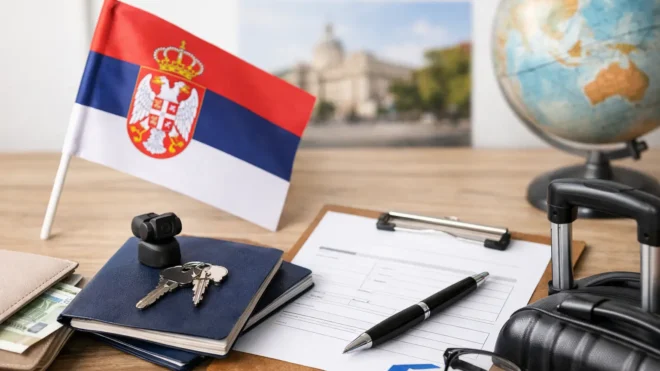
A Serbia D visa application often looks straightforward on paper, right up until you reach the part where documents from different countries, Serbian authorities, and consular practice all need to line up at the same time. For foreign founders, investors, remote operators, and professionals planning a move, the challenge is usually not just eligibility. It is making sure the file is complete, consistent, and timed correctly.
The D visa is generally used for longer stays in Serbia and is often part of a wider relocation or business setup plan. If you are opening a company, taking a director role, arranging temporary residence, or preparing to work legally in Serbia, the visa process should be treated as one step in a larger compliance chain. That matters because a document that works for incorporation or banking does not always satisfy consular requirements, and a delay at the visa stage can affect every step that follows.
When a Serbia D visa application makes sense
A Serbia D visa is typically relevant when you intend to stay in Serbia longer than a short tourist visit allows and you need a lawful basis to enter and continue with residence-related procedures. Many foreign nationals use it when they plan to apply for temporary residence after arrival, particularly where the underlying purpose is work, business activity, family unity, education, or another recognized legal basis.
For business clients, this usually comes up in practical situations. You may be establishing a Serbian company and need to enter on a basis that supports your next immigration step. You may be appointed as a company representative, preparing a work engagement, or relocating to manage operations locally. In these cases, the visa is not an isolated document. It needs to match the reason for stay and the documents you will rely on later.
That is where many applicants lose time. They assume the visa can be handled first and the rest sorted out later. In reality, the stronger approach is to build the visa file around the residence and business plan from the beginning.
Serbia D visa application documents
The exact document set can vary depending on your nationality, the Serbian consular post handling the case, and the legal ground for your stay. Even so, most Serbia D visa application files are built around a familiar core: a valid passport, application form, passport photos, proof of purpose of stay, proof of accommodation, evidence of financial means, health insurance, and sometimes proof related to onward residence or employment arrangements.
The phrase “proof of purpose” is where the real work usually starts. If you are moving for business, this may involve company registration documents, a decision appointing you, an invitation or supporting letter, and records showing the Serbian entity is real and operational. If the purpose is employment, additional labor and permit-related documents may apply. If the purpose is residence based on another category, the supporting evidence will differ accordingly.
Foreign-issued documents also need careful handling. Depending on where they come from, they may need legalization or apostille, plus a certified Serbian translation. Timing matters here. A document that is perfectly valid in your home country can still cause problems if it is not properly formalized for Serbian use or if the translation does not match the original in a way the authorities expect.
Timing is one of the biggest risks
Most visa problems are not caused by ineligibility. They are caused by timing gaps between documents, appointments, and next-step procedures. A bank statement can go stale. Insurance can start too early or too late. A company document may be issued correctly but no longer reflect the current status by the time the consulate reviews it.
This is especially common for entrepreneurs and investors who are coordinating several actions at once – company formation, registered address, accounting setup, banking preparation, lease arrangements, and immigration paperwork. Each item may be manageable on its own. Put together, they create a moving target.
A practical Serbia D visa application should be assembled backward from the intended move date. That means identifying the consular appointment window first, then confirming how long it will take to issue and legalize foreign documents, then checking how those dates align with Serbian corporate or residence paperwork. This approach reduces the risk of having to replace documents halfway through the process.
Common reasons applications slow down
Consular practice is not always identical from one location to another, which is one reason applicants get mixed advice online. What one person submitted successfully in one country may not be accepted in another without additional support. That is why generic checklists often create false confidence.
The most common issue is inconsistency across documents. Names must match exactly, including passport spellings. Company records, invitation letters, lease details, and insurance documents should support the same timeline and purpose of stay. If your file suggests one reason for entry while your supporting paperwork points to another, review may slow down.
Another frequent issue is weak accommodation evidence. If you claim you will live at a certain address in Serbia, the supporting document should be formal, current, and suitable for immigration use. Informal arrangements that seem reasonable in practice may not carry much weight in a visa file.
Financial proof can also become a problem if it is vague. Consular officers are looking for a credible picture that you can support yourself during the stay. That does not always mean a single format, but it does mean the documents should be clear, recent, and proportionate to your stated plan.
Business setup and visa strategy should match
If your move to Serbia is tied to starting or operating a business, the visa should be planned alongside incorporation, tax registration, and residence strategy. Treating these as separate projects often creates duplication or conflicts in the paperwork.
For example, some applicants set up a company quickly and assume that registration alone is enough to support a visa. Sometimes it helps, but on its own it may not tell the full story. Authorities may still want to see the applicant’s role, the business purpose, where the company operates, and why the stay in Serbia needs the duration requested.
The same applies to work-related arrangements. A title on paper is not always enough. The broader file should show that the legal basis is genuine and that the applicant’s position in Serbia is properly documented. This is one reason many foreign clients prefer coordinated support rather than handling immigration, company formation, and accounting through unrelated providers.
For that reason, Start Serbia typically approaches visa preparation as part of a complete market-entry process, not a single filing exercise. That kind of coordination tends to reduce avoidable corrections later.
What to expect after submission
Once a Serbia D visa application is submitted, the waiting period can vary based on workload, document complexity, and whether the consulate requests clarifications. Some cases move smoothly. Others involve follow-up questions, especially if the purpose of stay is business-related and the documentation needs closer review.
Applicants should be ready for the possibility that additional evidence may be requested. This does not always mean there is a problem. It can simply mean the reviewing authority wants a clearer connection between the applicant, the Serbian host entity, and the planned activity in Serbia.
You should also avoid making irreversible travel or relocation commitments too early. Lease payments, school plans, shipping arrangements, and operational deadlines should be aligned with realistic processing expectations. In cross-border moves, optimism is useful, but scheduling should still leave room for administrative delays.
How to make the process smoother
A strong application is organized before it is submitted. That sounds obvious, but many delays start with small preventable issues – mixed document dates, incomplete translations, or assumptions that a consular officer will infer details that were never clearly stated.
It helps to think about the file from the reviewer’s side. Can they see who you are, why you are coming, where you will stay, how you will support yourself, and how this connects to a lawful next step in Serbia? If any of those answers depend on guesswork, the file needs more structure.
It also helps to prepare for local follow-through. A D visa is often only part of the path. If your next move is temporary residence, work authorization, tax registration, or operational setup for a Serbian company, your visa documents should support that sequence rather than create new contradictions.
For foreign nationals entering Serbia for business or relocation, speed matters, but so does consistency. The fastest application is not the one filed first. It is the one filed with the right documents, in the right form, for the right purpose.
If you are planning a move, treat the visa as the beginning of your Serbian setup, not a box to check. That one shift usually saves the most time.
Intéressé par la création d’entreprise individuel.
Hello Mohamed.
Please contact us on office@start-serbia.com
Best regards,
That’s sound good i am interested to setup company in serbia. Share your whatsapp
Hi junaid. Our WhatsApp number is +381642491922