
Foreign founders rarely lose time in Serbia because of one difficult form. Delays usually come from the gaps between company registration, banking, tax setup, immigration documents, and a practical local address. Serbia business setup services are designed to close those gaps, giving entrepreneurs one coordinated path from an initial business idea to a compliant operation.
For an international client, the goal is not simply to form a company. The goal is to create a structure that can issue invoices, receive payments, meet reporting obligations, support a residence or work permit where needed, and operate without avoidable administrative surprises.
What Serbia business setup services should cover
A business can be registered quickly on paper, but a usable business requires more than a registration certificate. Foreign founders should look for support that connects the legal, financial, administrative, and practical parts of entering the Serbian market.
The starting point is choosing the appropriate legal form. Many entrepreneurs choose a limited liability company, known locally as a DOO, because it separates personal and company liability and can support a broad range of commercial activities. If a foreigner needs an invitation letter for a D Visa, then choosing a DOO becomes the only solution, because only residents and companies registered in Serbia can issue this letter. Others may consider a sole proprietorship when the business model, expected revenue, and personal tax position make that structure more suitable.
There is no universal answer. A consultant providing professional Serbia business setup services should first understand who will own the business, how it will earn income, whether employees will be hired, where clients are located, and whether the founder plans to live in Serbia. These details affect the recommended structure and the sequence of next steps.
Company registration and foundational documents
Company formation generally involves preparing the founding documentation, defining the business activity, appointing a director, registering the legal entity, and completing the required filings with relevant authorities. Foreign-owned companies can be established in Serbia, but documentation from abroad may require certified translations, legalization, or other formal preparation depending on the country of issue and the document type.
This is where planning matters. A poorly selected business activity, incomplete ownership documents, or inconsistent information across forms can create delays later with banks, accountants, or immigration authorities. Clear document preparation at the beginning reduces the need to correct records after the company is already active.
Bank account opening is a separate process
A common misunderstanding is that company registration automatically means a corporate bank account can be opened immediately. Banks have their own compliance procedures, identity verification standards, and expectations regarding the company’s ownership, business purpose, planned transactions, and source of funds. Serbian banks are mostly owned by EU banks, so they use in Serbia the same strict compliance and AML procedures as in the EU.
Foreign founders should be prepared to explain what the company does, who its providers and customers are, where payments will come from, and why Serbia is the chosen operating base. A well-prepared application does not guarantee a particular bank’s decision, but it helps present a clear and consistent compliance profile.
The timing can depend on the ownership structure, the nationality and residence of shareholders and directors, and the documents available. This is one reason it is helpful to treat bank account preparation as part of the setup plan rather than as an afterthought.
Compliance begins after registration
Registration is the beginning of the company’s legal life, not the end of the process. Every business needs an operating framework for bookkeeping, tax reporting, invoicing, contracts, and corporate administration.
An accountant should be involved early, particularly before the company begins trading. In-house bookkeeping is not recommended for foreign-owned companies, because even if the owner has the necessary skills, he doesn’t know the specific Serbian regulations, which can bring a compliance risk. The correct tax treatment depends on the company’s activity, turnover, client locations, expenses, and whether it will have employees. VAT registration, for example, is not a decision to make based only on a general rule or an online forum. It should reflect the company’s actual circumstances and reporting obligations.
For companies with staff, payroll registration and employment compliance add another layer. For directors who are also foreign nationals, the relationship between corporate appointment, local work authorization, and residence status must be considered carefully. A company structure may support an immigration application, but it does not replace the immigration process.
Residence permits, work permits, and D-visas
Many founders establish a Serbian company because they plan to move to Serbia, spend substantial time there, or manage local operations directly. In those cases, business setup and relocation should be planned together.
Depending on the individual’s nationality, intended length of stay, role in the company, and immigration basis, the process may involve a D-visa, temporary residence permit, work authorization, or a combination of these steps. Requirements and processing practices can change, so relying on outdated advice can be costly.
The practical issue is sequencing. A foreign national may need a registered address, properly prepared corporate documents, evidence of funds, health insurance, or other supporting documentation before submitting an application. Coordinated legal and relocation support helps ensure that each document supports the overall case rather than creating contradictions between corporate and immigration records.
Why one coordinated provider makes a difference
Foreign entrepreneurs can hire separate lawyers, accountants, banks, translators, and real estate agents. In some situations, that approach works well. However, it also places the burden of coordination on the founder, who may not know which detail matters to which provider.
For example, the company address selected for registration can affect practical mail handling and business operations. The company’s planned activity can influence banking questions. The founder’s residence plans can affect which documents need to be prepared before travel. When these services are managed independently, small inconsistencies can lead to costly delays.
Start Serbia brings legal, accounting, financial, and property-related support into one coordinated process for foreign clients. The objective is straightforward: reduce unnecessary bureaucracy while keeping each stage aligned with local requirements.
A practical setup process for foreign founders
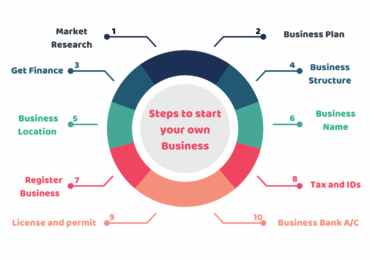
The most efficient business launches begin with a structured assessment rather than a rush to file documents. Before registration, clarify the ownership structure, management role, expected clients, revenue model, need for local staff, and relocation plans. This allows the service team to identify the right legal and compliance path.
Next comes document collection and preparation. Founders should expect to provide identification, ownership and management information, and supporting records that may need formal translation or certification. If a foreign company will own the Serbian entity, the documentation is usually more extensive than for an individual shareholder.
After the entity is registered, the focus shifts to banking, accounting onboarding, tax administration, and operational readiness. If the founder is moving to Serbia, residence and work permit steps should proceed according to the relevant timetable. Office or home rental support may also be necessary, especially when a registered address or proof of accommodation is required.
The final stage is ongoing compliance. This includes timely bookkeeping, tax filings, payroll where applicable, updates to company information, and support as the business changes. A company that starts small can later add employees, enter new contracts, register for VAT, or expand into a different activity. Those changes should be handled before they create reporting problems.
Questions to ask before choosing a provider
The right provider should be able to explain the process in direct terms, including what is included, what documents are required, and which parts depend on banks or government authorities. Be cautious of promises that suggest every procedure is fully predictable or that approvals are automatic.
Ask whether the provider supports both formation and post-registration compliance. Confirm who handles bookkeeping, whether immigration support is available if needed, and how communication will work while you are outside Serbia. It is also useful to ask how the team handles document translation, registered address needs, and real estate assistance.
A dependable adviser like Start Serbia will explain trade-offs instead of pushing one structure for every client. A sole proprietorship may be efficient for one professional, while a DOO may be the better choice for an investor, a business with partners, or a company expecting to scale.
Build for operations, not just registration
Serbia offers foreign founders a practical location for building a regional or international business, but the administrative foundation must match the way the business will actually operate. The strongest setup is one where the company, bank account, accounting process, immigration status, and property arrangements work together from day one.
If you are preparing to enter the Serbian market, begin by mapping the full operating picture, not only the registration form. A clear plan and informed local support can turn a complex cross-border move into a workable business launch.