
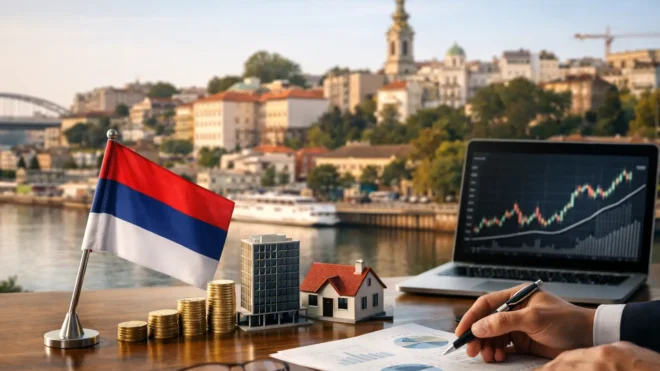
Serbia is getting serious attention from foreign founders, property buyers, and cross-border investors for a simple reason: market entry is still relatively accessible, while the upside is broader than many expect. If you want to invest in Serbia as a foreigner, the opportunity is real, but the process works best when you understand where regulations, banking, tax rules, and local procedure meet.
For some investors, Serbia is a base for regional operations. For others, it is a place to buy real estate, open a local company, hire staff, or establish residence through a legitimate business presence. The right path depends on what you are actually trying to build. Serbia can be efficient, but it is not a market where guessing your way through paperwork is a good strategy.
Why foreigners invest in Serbia
Serbia appeals to international investors because it sits in a practical middle ground. Costs are often lower than in many EU markets, the labor pool is competitive, and the country remains well positioned for trade and expansion across Southeast Europe. Belgrade and Novi Sad draw attention for technology, services, and commercial activity, while other cities can make sense for manufacturing, logistics, and real estate.
There is also a procedural advantage. In many cases, a foreign national can establish a company with full ownership, lease office space, hire locally, and begin operations without the structural barriers found in more restrictive jurisdictions. That does not mean every step is simple. It means Serbia is open to foreign participation, provided your setup is compliant from the start.
Best ways to invest in Serbia as a foreigner
When people say they want to invest, they often mean very different things. In Serbia, the most common entry routes are opening a company, buying real estate, funding an existing business, or combining business formation with relocation.
Starting a company is often the most flexible option. It gives you a legal presence, allows operational activity, and may support later steps such as residence applications, office leasing, employment, and local banking. For entrepreneurs and owner-operators, this is usually more practical than making a passive investment with no local structure.
Real estate is another common route, especially for buyers looking for residential property, office space, or long-term asset appreciation. Rules can vary based on nationality, reciprocity, land classification, and the type of property involved. Apartments and commercial units are usually more straightforward than agricultural land or certain categories of development land.
Some foreign investors enter Serbia by acquiring a stake in an existing local company or funding a Serbian entity through shareholder loans or capital contributions. This can work well, but it requires proper legal and accounting treatment. If documents, valuation, and registration are handled poorly, what looked like a fast investment can become a compliance problem.
Company setup is often the smartest first step
For many international clients, the most effective way to invest in Serbia as a foreigner is to open a Serbian company first and build from there. A local company creates a formal operating vehicle. It also makes it easier to organize contracts, invoicing, accounting, payroll, banking, and in some cases immigration-related filings.
The most common structure is a limited liability company. It is typically suitable for foreign entrepreneurs, consultants, trading businesses, service providers, and small to mid-sized investors. Sole proprietorship can also be an option, but it is not always the best fit for non-residents because liability, tax treatment, and permit strategy need to be reviewed carefully.
What matters most is not just registering the entity. The company must be set up in a way that matches your actual business model. That includes selecting the correct activity code, preparing founder documents correctly, securing a registered address, organizing beneficial ownership reporting, and aligning tax registration with expected operations. A quick registration done without planning often creates delays later when opening a bank account or applying for permits.
Banking, tax, and compliance are where plans succeed or stall
Foreign investors often underestimate this part. Registering a company is only one stage. Banking and tax compliance are where the structure starts proving whether it works in practice.
Opening a business bank account in Serbia can involve document checks that go beyond the company registration certificate. Banks may review founder background, source of funds, business activity, and cross-border transaction patterns. This is normal, especially where foreign ownership is involved. Preparation matters. If your paperwork is inconsistent or incomplete, delays are likely.
Tax planning should also happen before the company starts operating. The right setup depends on whether you will invoice abroad, hire employees, lease property, import goods, or pay yourself as a director or shareholder. VAT registration, corporate tax obligations, salary calculations, bookkeeping standards, and transfer pricing exposure can all become relevant faster than foreign investors expect.
This is one reason a coordinated local team matters. Legal registration without accounting guidance is not enough. Accounting without immigration planning is not enough either if you intend to live in Serbia while managing the business.
Real estate investment in Serbia for foreigners
Real estate can be attractive, but it is not a one-size-fits-all option. Foreign nationals can often buy apartments, houses, and commercial premises in Serbia, but eligibility may depend on reciprocity between Serbia and the buyer’s home country. The legal status of the property also matters. A clean title, proper registration in the real estate cadaster, and a clear review of encumbrances are essential.
If your plan is personal relocation plus investment, buying a home may support your long-term presence, but it should not be treated as a shortcut around legal process. Ownership and immigration are related in practical terms, yet they remain separate legal questions.
Commercial real estate requires even more caution. Investors should review zoning, use permits, lease potential, hidden liabilities, and whether the asset is better acquired personally or through a Serbian company. The answer depends on your financing, tax position, and exit strategy. A purchase that looks cheaper upfront can become less efficient once taxes, operational risk, and resale considerations are added.
Residence and work authorization may matter more than expected
Not every investor needs to relocate, but many do. If you plan to manage your Serbian company on the ground, spend extended time in the country, or employ yourself locally, immigration compliance becomes part of the investment structure.
Depending on your nationality and business model, this may involve a D-visa, temporary residence, and work authorization. Timing is important because immigration steps often rely on corporate documents, registered address details, employment or engagement basis, and proof of business activity. If these elements are prepared in the wrong order, the process slows down.
This is where many foreign clients benefit from having one provider coordinate company formation, banking preparation, permit support, and property assistance. Start Serbia works with foreign nationals precisely at this intersection, where business setup and relocation need to function as one process rather than separate tasks.
Common mistakes foreign investors make
The biggest mistake is assuming Serbia is informal enough to fix later. Some things can be corrected, but poor setup tends to create expensive follow-up work. A company registered under the wrong activity, an unsupported bank application, weak bookkeeping from day one, or an improperly reviewed property deal can all cause avoidable delays.
Another common issue is using fragmented service providers. A lawyer may handle incorporation, an accountant may join later, and a real estate agent may not understand the investor’s residence or tax goals. Each part may be fine on its own, but the overall structure lacks coordination. Foreign investors usually need one clear plan that covers legal, financial, administrative, and practical steps together.
There is also the question of speed. Many clients want immediate market entry, which is understandable. But fast and compliant is better than merely fast. Serbia can move efficiently when documents are prepared correctly and the sequence is planned in advance.
What a practical entry strategy looks like
For most foreign entrepreneurs and small to mid-sized investors, the strongest starting point is simple. First, define the investment objective clearly. Are you opening an operating business, buying income-producing property, relocating with a company, or testing the market with a lean local structure?
Second, choose the legal setup that matches that goal. Third, align company registration, banking, tax treatment, and immigration planning before money starts moving. Finally, make sure your local address, accounting, and property arrangements support the same strategy instead of pulling in different directions.
Serbia offers real opportunity, but the best results usually come from treating market entry as an integrated process. When the structure is right, investing becomes far more predictable, and that gives you room to focus on growth instead of paperwork.
If you are considering Serbia, the smartest first move is not rushing into a filing or a purchase. It is making sure your first step fits the outcome you want six months from now.